The Importance of Exercise for Overall Health
Welcome to the exercise section of Vitality Hub! Regular physical activity is a cornerstone of a healthy lifestyle. It not only helps you maintain a healthy weight but also significantly reduces the risk of chronic diseases, improves your mood, and boosts your energy levels. This section provides guidance on different types of exercise, workout routines, and tips for staying active and motivated.
Types of Exercise
There are four main types of exercise, each offering unique benefits:
- Aerobic Exercise: Also known as cardio, aerobic exercises like running, swimming, and cycling increase your heart rate and improve cardiovascular health. They are excellent for burning calories and enhancing endurance.
- Strength Training: Involves using resistance (weights, bands, or your own body weight) to build muscle strength and mass. Strength training improves bone density, metabolism, and overall physical function.
- Flexibility Training: Includes activities like stretching and yoga. Flexibility exercises improve range of motion, reduce the risk of injury, and alleviate muscle soreness.
- Balance Training: Helps improve stability and coordination, which is especially important for older adults to prevent falls. Examples include Tai Chi and standing on one foot.
Aerobic Exercise Explained
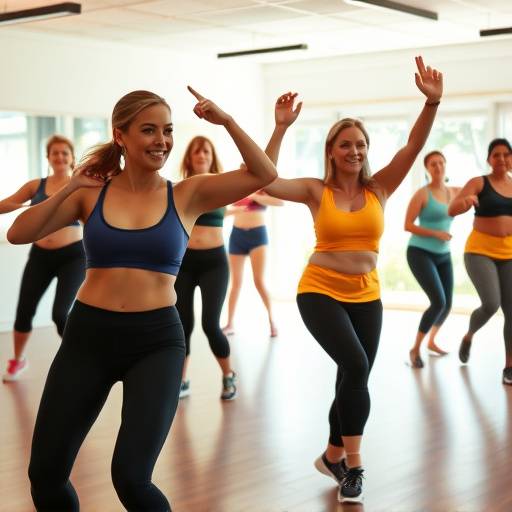
Aerobic exercise, often referred to as cardio, encompasses any physical activity that raises your heart rate and breathing rate. This type of exercise is crucial for improving cardiovascular health, burning calories, and enhancing endurance. Engaging in regular aerobic activities can lead to a stronger heart, improved lung capacity, and better circulation. Common examples include brisk walking, running, cycling, swimming, and dancing. The key is to find an activity you enjoy, making it easier to incorporate into your daily or weekly routine. Aim for at least 150 minutes of moderate-intensity aerobic exercise or 75 minutes of vigorous-intensity exercise per week, or a combination of both. Remember to listen to your body and adjust the intensity and duration as needed. Consulting with a healthcare professional or certified fitness trainer can help you determine the best approach for your individual needs and fitness level.
Strength Training Explained
Strength training is a vital component of overall fitness, focusing on building and strengthening muscles. This type of exercise involves using resistance, whether through weights, resistance bands, or your own body weight, to challenge your muscles and stimulate growth. Regular strength training offers numerous benefits, including increased muscle mass, improved bone density, enhanced metabolism, and better physical function. It also plays a key role in preventing age-related muscle loss (sarcopenia) and reducing the risk of injuries. Examples of strength training exercises include lifting weights, using resistance bands, performing bodyweight exercises like push-ups and squats, and working with weight machines at a gym. Aim to incorporate strength training into your routine at least two to three times per week, focusing on different muscle groups each session. Proper form is essential to prevent injuries, so consider working with a certified personal trainer or watching instructional videos to learn the correct techniques.
Flexibility Training Explained
Flexibility training focuses on improving the range of motion in your joints and muscles. This type of exercise is often overlooked but is crucial for maintaining overall physical health and preventing injuries. Regular flexibility training can enhance your posture, reduce muscle soreness, and improve physical performance. Common flexibility exercises include stretching, yoga, Pilates, and foam rolling. Incorporating these activities into your routine can help alleviate muscle tension, increase blood flow, and promote relaxation. Aim to stretch all major muscle groups regularly, holding each stretch for at least 15-30 seconds. Consistency is key, so try to include flexibility training in your routine several times a week. Whether you choose to do a few minutes of stretching each day or attend a yoga class, prioritizing flexibility will contribute to a more balanced and resilient body.
Balance Training Explained
Balance training is a type of exercise that focuses on improving your stability and coordination. This is particularly important for older adults, as it can help prevent falls and maintain independence. However, balance training is beneficial for people of all ages, enhancing athletic performance and reducing the risk of injuries. Common balance exercises include standing on one foot, walking heel-to-toe, using a balance board, and practicing Tai Chi or yoga. These activities challenge your body’s ability to maintain equilibrium, strengthening the muscles and improving the communication between your brain and your muscles. Start with simple exercises and gradually increase the difficulty as your balance improves. Incorporating balance training into your routine can help you feel more grounded, confident, and less prone to accidents.
Sample Workout Routines
Here are a few sample workout routines to get you started:
-
Beginner Full Body Workout (3 times per week):
- Warm-up: 5 minutes of light cardio (e.g., jogging in place).
- Squats: 3 sets of 10-12 repetitions.
- Push-ups (on knees if needed): 3 sets of as many repetitions as possible.
- Dumbbell Rows: 3 sets of 10-12 repetitions per arm.
- Plank: 3 sets, holding for 30 seconds each.
- Cool-down: 5 minutes of stretching.
-
Intermediate Cardio Workout (3-4 times per week):
- 30-45 minutes of running, cycling, swimming, or brisk walking.
- Vary the intensity with interval training (e.g., 1 minute of high intensity followed by 2 minutes of low intensity).
-
Advanced Strength Training Split (4-5 times per week):
- Monday: Chest and Triceps
- Tuesday: Back and Biceps
- Wednesday: Rest
- Thursday: Legs and Shoulders
- Friday: Core and Full Body Circuit

Disclaimer: Always consult with a healthcare professional before starting any new exercise program. These routines are suggestions and can be modified to fit your individual needs and fitness level.
Sample Weekly Workout Schedule
Here is a sample workout schedule that incorporates different types of exercise throughout the week. Remember to adjust the schedule based on your preferences, fitness level, and time constraints.
| Day | Activity | Duration | Focus |
|---|---|---|---|
| Monday | Strength Training (Upper Body) | 45-60 minutes | Chest, back, shoulders, biceps, triceps |
| Tuesday | Cardio | 30-45 minutes | Running, cycling, swimming, or brisk walking |
| Wednesday | Rest or Active Recovery | 30 minutes | Light stretching, yoga, or a leisurely walk |
| Thursday | Strength Training (Lower Body) | 45-60 minutes | Quads, hamstrings, glutes, calves |
| Friday | Cardio | 30-45 minutes | Interval training or steady-state cardio |
| Saturday | Flexibility Training | 30 minutes | Yoga, Pilates, or a dedicated stretching session |
| Sunday | Rest or Active Recovery | Flexible | Enjoy a relaxing activity or light exercise |
Tips for Staying Active
Staying active doesn't have to be a chore. Here are some tips to help you incorporate more physical activity into your daily life:
- Find an activity you enjoy: Whether it's dancing, hiking, or playing a sport, choosing something you like will make it easier to stick with.
- Set realistic goals: Start small and gradually increase the intensity and duration of your workouts.
- Make it a habit: Schedule your workouts like you would any other important appointment.
- Find a workout buddy: Exercising with a friend can provide motivation and accountability.
- Incorporate activity into your daily routine: Take the stairs instead of the elevator, walk during your lunch break, or bike to work.
- Track your progress: Use a fitness tracker or app to monitor your activity levels and celebrate your achievements.
Setting SMART Fitness Goals
Setting goals is an essential part of staying motivated and tracking your progress in your fitness journey. The SMART framework is a proven method for creating effective and achievable goals. SMART stands for Specific, Measurable, Achievable, Relevant, and Time-bound. By applying these principles to your fitness goals, you can increase your chances of success.
- Specific: Clearly define what you want to achieve. Instead of saying "I want to get in shape," specify "I want to lose 10 pounds and improve my cardiovascular endurance."
- Measurable: Set quantifiable metrics to track your progress. For example, "I will run for 30 minutes, three times a week" or "I will lift 5 pounds heavier on my bench press."
- Achievable: Ensure your goals are realistic and within your capabilities. Start with smaller, manageable goals and gradually increase the challenge as you improve.
- Relevant: Align your goals with your overall health and fitness objectives. Consider your personal values and priorities when setting goals.
- Time-bound: Set a specific timeframe for achieving your goals. For example, "I will achieve my weight loss goal in three months" or "I will improve my running time by 5 minutes in six weeks."