Nourish Your Body: A Guide to Healthy Nutrition
Understanding the Importance of a Balanced Diet
A balanced diet is the cornerstone of good health. It provides your body with the essential nutrients it needs to function optimally, supporting everything from energy levels and immune function to mental clarity and long-term disease prevention. In Dublin, Ireland, with its vibrant culinary scene and emphasis on fresh produce, embracing a balanced diet is both accessible and enjoyable.
A balanced diet typically includes:
- **Fruits and Vegetables:** Aim for at least five portions a day. These provide vitamins, minerals, and fiber. Explore local markets for seasonal produce like Irish apples, berries, and root vegetables.
- **Protein:** Essential for building and repairing tissues. Good sources include lean meats, poultry, fish (especially oily fish like salmon and mackerel, rich in Omega-3 fatty acids), beans, lentils, eggs, and dairy products.
- **Carbohydrates:** The body's primary source of energy. Choose whole grains like brown rice, whole wheat bread, and oats over refined grains.
- **Healthy Fats:** Important for brain function, hormone production, and nutrient absorption. Include sources like avocados, nuts, seeds, and olive oil.
- **Dairy or Dairy Alternatives:** For calcium and vitamin D, important for bone health. Choose low-fat options or fortified plant-based alternatives.
Essential Nutrients: Fueling Your Body
Essential nutrients are those that the body cannot produce on its own and must obtain from food. These nutrients are vital for growth, repair, and overall health. Understanding these nutrients is key to crafting a healthy dietary plan. Essential Nutrients Include:
- **Vitamins:** Vitamins are organic compounds that regulate various bodily functions. They include Vitamin A, Vitamin C, Vitamin D, Vitamin E, and B vitamins. Each vitamin plays a unique role in maintaining health.
- **Minerals:** Minerals are inorganic substances that the body needs for building strong bones, making hormones, and regulating heartbeat. Examples include calcium, iron, potassium, and zinc.
- **Protein:** Protein is crucial for building and repairing tissues, producing enzymes and hormones, and supporting immune function. It is composed of amino acids, some of which are essential and must be obtained from food.
- **Carbohydrates:** Carbohydrates are the body's primary source of energy. They are broken down into glucose, which fuels cells, tissues, and organs.
- **Fats:** Fats are essential for hormone production, nutrient absorption, and insulation. Healthy fats, such as unsaturated fats found in avocados, nuts, and olive oil, are particularly beneficial.
- **Water:** Though often overlooked, water is essential for nearly every bodily function, including regulating temperature, transporting nutrients, and removing waste products.
Ensuring adequate intake of these essential nutrients is critical for overall well-being and optimal health. Consult a registered dietitian or healthcare provider to determine your specific nutritional needs and create a balanced eating plan.
| Nutrient | Main Functions | Food Sources |
|---|---|---|
| Vitamin A | Vision, immune function, cell growth | Carrots, sweet potatoes, spinach, liver |
| Vitamin C | Antioxidant, immune function, collagen production | Citrus fruits, berries, peppers, broccoli |
| Vitamin D | Calcium absorption, bone health, immune function | Fatty fish, fortified milk, egg yolks |
| Iron | Oxygen transport, energy production | Red meat, spinach, lentils, fortified cereals |
| Calcium | Bone health, muscle function, nerve transmission | Dairy products, leafy greens, fortified plant-based milks |
| Omega-3 Fatty Acids | Brain health, heart health, anti-inflammatory | Fatty fish (salmon, mackerel), flaxseeds, chia seeds, walnuts |
Developing Healthy Eating Habits
Creating sustainable healthy eating habits is more effective than following fad diets. Small, consistent changes can lead to significant improvements in your overall health. Here are some tips:
- **Plan Your Meals:** Plan your meals for the week, including snacks, to avoid impulsive, unhealthy choices.
- **Cook at Home:** Cooking at home gives you control over ingredients and portion sizes. Experiment with new recipes and flavors.
- **Read Food Labels:** Understand serving sizes, calories, and nutrient content to make informed choices.
- **Eat Mindfully:** Pay attention to your body's hunger and fullness cues. Eat slowly and savor each bite.
- **Stay Hydrated:** Drink plenty of water throughout the day.
- **Limit Processed Foods:** Reduce your intake of processed foods, sugary drinks, and unhealthy fats.
- **Eat Regular Meals:** Avoid skipping meals, as this can lead to overeating later.
- **Control Portion Sizes:** Use smaller plates and bowls to help manage portion sizes.
- **Seek Professional Advice:** Consult with a registered dietitian or nutritionist for personalized guidance.
Delicious and Nutritious Recipe Ideas
Overnight Oats
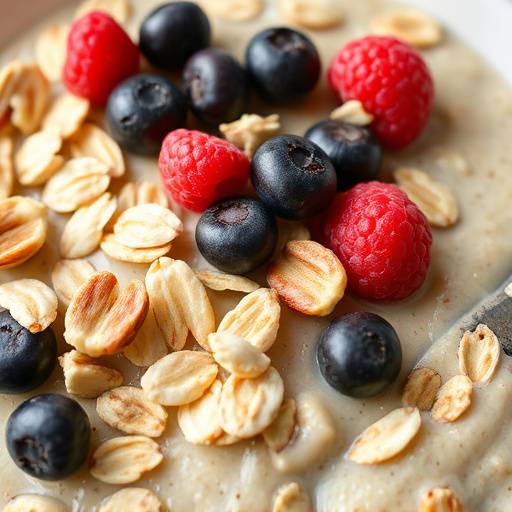
A quick and easy breakfast that can be prepared the night before. Great for busy mornings!
Ingredients:
- 1/2 cup rolled oats
- 1 cup milk (dairy or plant-based)
- 1 tablespoon chia seeds
- 1 tablespoon maple syrup or honey (optional)
- Toppings: berries, nuts, seeds
Instructions:
- Combine oats, milk, chia seeds, and sweetener (if using) in a jar or container.
- Stir well and refrigerate overnight.
- In the morning, add your favorite toppings and enjoy!
Lentil Soup
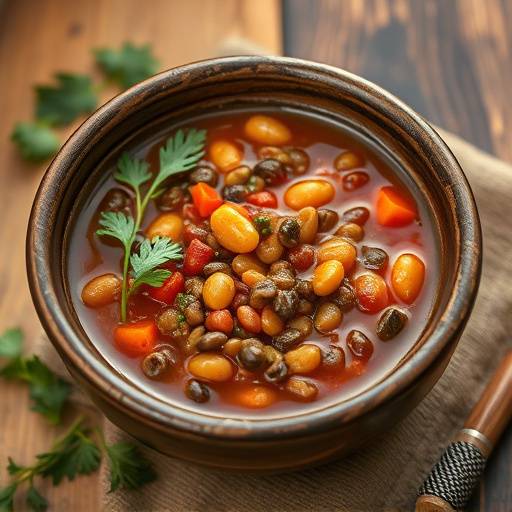
A hearty and nutritious soup that is perfect for a cold day.
Ingredients:
- 1 cup brown or green lentils
- 1 onion, chopped
- 2 carrots, chopped
- 2 celery stalks, chopped
- 4 cups vegetable broth
- 1 teaspoon cumin
- 1/2 teaspoon turmeric
- Salt and pepper to taste
Instructions:
- Rinse lentils.
- In a large pot, sauté onion, carrots, and celery until softened.
- Add lentils, broth, cumin, and turmeric. Bring to a boil, then reduce heat and simmer for 20-25 minutes, or until lentils are tender.
- Season with salt and pepper to taste.
Salmon with Roasted Vegetables

A delicious and healthy meal packed with protein and vitamins.
Ingredients:
- 2 salmon fillets
- 1 bell pepper, chopped
- 1 zucchini, chopped
- 1 red onion, chopped
- 2 tablespoons olive oil
- Salt, pepper, and herbs to taste
Instructions:
- Preheat oven to 400°F (200°C).
- Toss vegetables with olive oil, salt, pepper, and herbs.
- Spread vegetables on a baking sheet and place salmon fillets on top.
- Bake for 15-20 minutes, or until salmon is cooked through and vegetables are tender.
Simple Meal Planning Tips
Effective meal planning can transform your approach to nutrition, saving time, money, and reducing food waste. Here are simple steps to make meal planning a success:
- **Take Inventory:** Before planning, check your pantry, refrigerator, and freezer to see what you already have.
- **Set a Goal:** Determine how many meals you need to plan for the week. Consider your schedule and any planned dining out.
- **Choose Recipes:** Select recipes that align with your dietary preferences and nutritional goals. Include a variety of foods from different food groups.
- **Create a Shopping List:** Based on your chosen recipes, create a detailed shopping list. Organize the list by grocery store sections to streamline your shopping trip.
- **Prepare in Advance:** Whenever possible, prep ingredients in advance. Chop vegetables, cook grains, or marinate proteins to save time during the week.
- **Be Flexible:** Don't be afraid to adjust your meal plan based on your cravings or unexpected events. Have backup options in mind.
- **Store Food Properly:** Ensure that you store leftovers and ingredients properly to maintain freshness and prevent foodborne illnesses.
For those residing in Dublin, Ireland, consider sourcing fresh produce from local markets like the Temple Bar Food Market for seasonal ingredients. Take advantage of Dublin's diverse culinary scene for inspiration and explore various healthy eating options.